There is something profoundly different about holding a book that has survived for hundreds of years. When it comes to the most printed book in human history, the experience is even more significant. For many collectors and historians, the search for rare bibles for sale is not just about a financial investment or a hobby; it is a way to connect with the very foundations of Western culture, printing history, and personal faith. These volumes carry the weight of centuries, often bearing the marks of the many hands they have passed through, from the ink-stained fingers of early printers to the careful signatures of families who recorded their lineages on the flyleaves.
In an age where almost any text can be accessed in seconds on a smartphone, the physical presence of an antiquarian Bible is a reminder of a time when books were precious, expensive, and difficult to produce. The craftsmanship involved in early printing, the texture of the handmade paper, and the intricate detail of the leather bindings create a sensory experience that no digital screen can replicate. This is why the market for these items remains so vibrant today, attracting people from all walks of life who want to own a tangible piece of history.

What defines a bible as truly rare
Not every old Bible found in an attic is a treasure of immense value. When looking at rare bibles for sale, several factors determine whether a volume is truly a collector’s item or simply an old book. Understanding these nuances is essential for anyone starting their journey into the world of antiquarian bookselling and collecting.
- Age and Edition: Generally, the closer a Bible is to the dawn of the printing press (the incunabula period before 1501), the more valuable it is. However, specific first editions of significant translations, such as the 1611 King James Version, are highly prized regardless of their exact century.
- Historical Significance: Some Bibles are famous for their errors, such as the “Wicked Bible” of 1631, which accidentally omitted the word “not” from the commandment against adultery. Others are significant because they were the first to be printed in a specific language or region.
- Condition: While some wear is expected in a book that is 400 years old, the state of the pages, the presence of all woodcuts or engravings, and the integrity of the binding play a massive role in its desirability.
- Provenance: If a Bible can be traced back to a notable historical figure or a famous library, its value increases. Marginalia—notes written in the margins by previous owners—can also add a unique layer of historical interest.
Key editions that collectors often seek
The history of the English Bible is particularly rich, and certain editions stand out as the “holy grails” for those browsing rare bibles for sale. One of the most sought-after is the Geneva Bible. First published in 1560, it was the Bible of the Protestant Reformation and the one famously brought to America by the Pilgrims on the Mayflower. It was the first English Bible to use mechanical type and to be divided into verses, making it much easier to study.
Another significant volume is the Great Bible of 1539, which was the first authorised edition of the Bible in English, commissioned by King Henry VIII to be read aloud in churches. These large, folio-sized volumes were often chained to the pulpits to prevent them from being stolen, which is why they are sometimes referred to as “Chained Bibles.” Finding one of these in good condition is a rare feat for any collector.
Examining the physical condition and provenance
When you are looking to purchase a historical volume, you have to look beyond the title page. The physical anatomy of the book tells a story of its own. In the 16th and 17th centuries, books were often sold as loose sheets, and the buyer would then take them to a binder to have them finished in a style of their choosing. This means that two copies of the same edition can look entirely different on the outside.
The materials used are also a point of fascination. Early Bibles were often printed on paper made from recycled rags, which is surprisingly durable and less prone to the yellowing and brittleness seen in modern wood-pulp paper. Some high-end editions were printed on vellum (prepared animal skin), which offers a luxurious, creamy texture and incredible longevity. When inspecting rare bibles for sale, collectors often look for the following physical attributes:
- Original Bindings: A book that still retains its original contemporary leather binding is usually more valuable than one that has been rebound in the 19th or 20th century.
- Completeness: Many old Bibles are missing their title pages or the final few pages of the New Testament, as these were the most exposed to wear and tear. A “complete” copy is a significant find.
- Illustrations: Hand-coloured maps, intricate woodcut borders, and copperplate engravings were used to decorate more expensive versions. The clarity and preservation of these visual elements are vital.
Why the binding matters as much as the text
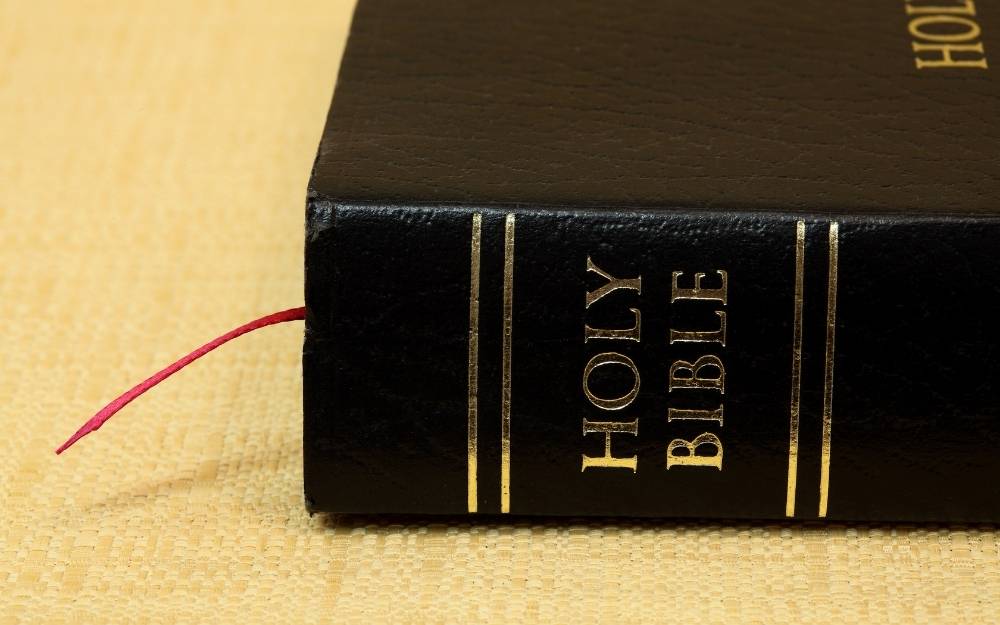
The binding of a rare Bible is its first line of defence and its most visible aesthetic feature. Collectors often categorise bindings by the type of leather used—such as calfskin, morocco (goatskin), or sheepskin. Elaborate “tooling,” where patterns are pressed into the leather and sometimes filled with gold leaf, can turn a book into a work of art. In the Victorian era, many family Bibles were produced with heavy brass clasps and deeply embossed covers, designed to be displayed prominently in the home as a centrepiece of the parlour.
Navigating the market for antiquarian books
Finding high-quality rare bibles for sale requires a bit of detective work and a lot of patience. While online auctions can sometimes yield bargains, they also carry risks, especially regarding the accuracy of the description and the condition of the item. This is why many serious collectors prefer to work with specialised dealers who have the expertise to authenticate and properly describe these historical treasures.
A reputable dealer will provide a detailed collation of the book—a page-by-page check to ensure everything is present and correct. They can also offer insights into the history of a specific copy that a general seller might miss. For those looking to start or expand a collection, it is helpful to focus on a specific niche, such as 17th-century English Bibles, miniature Bibles, or those with unique illustrations. This focused approach makes it easier to become an expert in that specific area of the market.
How to care for your historical volumes
Once you have acquired a rare Bible, the responsibility shifts to preservation. These books have survived for centuries, and with the right care, they can survive for many more. The enemies of old books are light, heat, humidity, and pests. It is best to store them in a room with a stable temperature and away from direct sunlight, which can fade the leather and cause the paper to become brittle.
Handling is also a key consideration. While it is tempting to open a 400-year-old Bible fully and lay it flat, this can put immense strain on the spine. Using a book cradle or a soft cushion to support the covers while reading or displaying the volume is a common practice among bibliophiles. Additionally, ensure your hands are clean and dry before touching the pages, as the oils from your skin can leave marks over time. Some collectors prefer not to use gloves, as they can reduce tactile sensitivity and lead to accidental page tears, but clean hands are a non-negotiable requirement.
The world of antiquarian scripture is one of discovery. Each time a collector finds a new lead on rare bibles for sale, they are opening a door to the past. Whether it is the typography of a London printer from the 1600s or the handwritten family records of a Scottish household in the 1800s, these books are much more than just objects; they are witnesses to the passage of time and the enduring power of the written word.

Rachel is a food and pharmacy writer passionate about holistic health. She covers topics ranging from healthy eating habits to over-the-counter remedies and their benefits.